Common A/c Fixing Issues and Just How They Effect Your Heating and Air Efficiency
Comprehending usual cooling and heating fixing issues is critical for preserving optimum heating and air efficiency in commercial and property settings. Problems such as dirty air filters, refrigerant leakages, malfunctioning thermostats, and ductwork issues can cause boosted energy usage and uncomfortable indoor environments. In addition, inadequate insulation might exacerbate these inefficiencies, further influencing your power expenses. Recognizing these concerns not only boosts comfort but also expands the life expectancy of your system. Nonetheless, the effects of neglecting these repairs can be extensive, leading one to take into consideration the long-lasting consequences on both effectiveness and cost.
Dirty Air Filters
Among the most usual heating and cooling repair service problems encountered by homeowners is the visibility of dirty air filters. Gradually, air filters build up dirt, plant pollen, and other particulates, which can dramatically impede air movement. When airflow is limited, the a/c system should function harder to preserve desired interior temperatures. This boosted work not only results in higher power intake yet likewise speeds up wear and tear on the system components, possibly causing premature failing.
Routine maintenance, consisting of timely replacement of air filters, is important for optimum cooling and heating performance. Homeowners should check filters regular monthly and replace them each to three months, relying on use and ecological conditions. Filthy filters can likewise add to interior air top quality problems, as they fall short to successfully trap allergens and contaminants.
In addition to performance and health and wellness concerns, ignoring air filter maintenance may nullify warranties or lead to costly fixing expenses. By proactively resolving dirty air filters, home owners can boost their heating and cooling system's efficiency, extend its life expectancy, and develop a healthier living setting. Ultimately, comprehending the value of clean air filters works as a foundational action in accountable a/c administration.
Refrigerant Leaks
Air filters play a crucial function in maintaining cooling and heating performance, however an additional considerable concern for homeowners is refrigerant leakages. Refrigerant is the material that launches and takes in warmth within the system, promoting the cooling and heating procedures. When a leakage occurs, the cooling agent degrees go down, resulting in decreased system performance and increased energy consumption.
Recognizing a cooling agent leakage can be difficult, as the indicators may not be instantly evident. Common indicators consist of irregular indoor temperature levels, enhanced power costs, and the visibility of ice on the evaporator coils. If left unaddressed, refrigerant leakages can cause considerable stress on the compressor, potentially resulting in costly repair work or system failing.
Additionally, cooling agent leaks posture environmental worries. Lots of cooling agents consist of greenhouse gases that add to international warming and ozone exhaustion (Walk-in coolers and freezers Repair). For that reason, timely discovery and repair work are crucial not only for maintaining a/c performance yet likewise for environmental management
Homeowners should set up routine upkeep checks with qualified a/c experts to keep track of cooling agent degrees and inspect for leakages. This positive method helps ensure optimum performance, boosts energy efficiency, and prolongs the life-span of the cooling and heating system.
Malfunctioning Thermostats
Among the different components that make certain the effective procedure of a HVAC system, thermostats play an important role in managing interior temperature levels and maintaining convenience degrees. A defective thermostat can dramatically interrupt this balance, resulting in changing temperature levels and boosted energy consumption. Usual problems consist of imprecise temperature level readings, unresponsive controls, or failing to interact with the HVAC system.
When a thermostat improperly evaluates the interior temperature, it may set off the HVAC system to run longer than necessary, resulting in greater energy bills and unneeded endure the tools. In addition, a thermostat that comes to be unresponsive can leave a room either too warm or too chilly, endangering owner convenience (Commercial & Residential Refrigeration). Malfunctioning electrical wiring or outdated technology can also add to these issues, necessitating prompt fixings or replacements
Normal maintenance and prompt evaluations are important to make sure the thermostat operates successfully. Property owners ought to consider updating to smart or programmable thermostats, which use boosted control and performance. Dealing with thermostat malfunctions without delay can not just enhance comfort but also optimize the overall efficiency of the a/c system, eventually saving energy and reducing functional costs.
Ductwork Problems
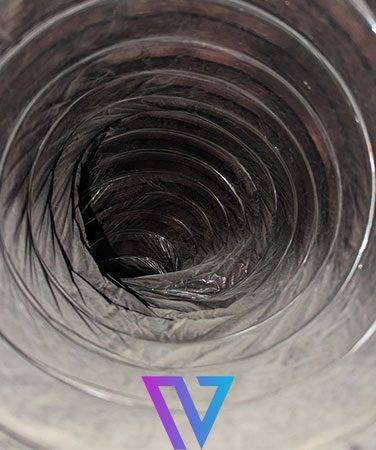
Leaks in ductwork can occur due to age, corrosion, or inadequate installation, resulting in conditioned air escaping prior to it gets to designated spaces. This not just lowers convenience levels but also compels the cooling and heating system to function harder, boosting damage. Blockages, created by dirt accumulation or perhaps rodent infestations, can hamper air movement and create certain locations to obtain little to no home heating or air conditioning.
Additionally, ductwork that is not properly sized for the system can cause unbalanced pressure, additional complicating performance. It is vital to regularly preserve and evaluate ductwork to make sure ideal efficiency. Specialist analyses can recognize any type of duct issues early, enabling for timely fixings and adjustments that boost the total energy efficiency of the cooling and heating system, inevitably causing improved convenience and lowered functional prices.
Inefficient Insulation
Appropriate insulation is vital for maintaining the performance of a HVAC system, as it serves as an obstacle that regulates temperature and minimizes energy loss. over here When insulation is poor or damaged, it can cause substantial ineffectiveness in home heating and air conditioning, compeling the HVAC system to function harder to keep preferred indoor temperature levels. This not only boosts power consumption however additionally raises utility bills.
Ineffective insulation may occur in numerous kinds, consisting of voids, splits, or scrubby products. Common locations of concern consist of attic rooms, cellars, and walls, where warm exchange has a tendency to be most noticable. In these areas, poorly set up or damaged insulation can add to drafts and temperature fluctuations, detrimentally affecting convenience levels.
To address insulation concerns, house owners should perform regular inspections and take into consideration upgrading to extra efficient products, such as spray foam or cellulose, which offer exceptional thermal resistance. Securing any type of gaps or leaks around home windows and doors can additional reading drastically improve the total performance of the Cooling and heating system. By focusing on insulation, homeowners can boost energy effectiveness, minimize functional prices, and expand the lifespan of their cooling and heating equipment.
Conclusion

In conclusion, dealing with usual HVAC fixing concerns is vital for keeping optimal home heating and air efficiency. Dirty air filters, refrigerant leakages, malfunctioning thermostats, ductwork problems, and inefficient insulation can severely jeopardize system efficiency and boost energy intake. Implementing regular upkeep and prompt fixings not just boosts indoor air quality yet also adds to power savings and total convenience. Prioritizing these elements ensures an extra efficient a/c system, inevitably benefiting both the atmosphere and household spending plans.
By proactively dealing with unclean air filters, property owners can enhance their HVAC system's efficiency, lengthen its life-span, and produce a healthier living atmosphere. When a thermostat erroneously gauges the interior temperature, it might set off the Heating and cooling system to run longer than necessary, resulting in greater energy bills and unneeded wear on the equipment. Concerns with ductwork can substantially influence the effectiveness and performance of a Heating and cooling system. Correct insulation is necessary for maintaining the efficiency of a Heating and cooling system, as it acts as a barrier that controls temperature level and minimizes energy loss. Sealing any voids or leaks around home windows and see doors can substantially enhance the general efficiency of the HVAC system.